





PARBAT: The construction of a new trekking route to the popular tourist destination Ghodepani from Ambota of Parbat has started.
The trekking route from Ambota of Kusma Municipality-3 passes through Durlung and Mahabhir. Presently, the route to Ghodepani is from Birethanti and Myagdi. The construction of the new route would help a trekker take a round of Annapurna via Ghodepani.
Member of Parliament Padam Giri laid the foundation of the construction of the new trekking route at a function organized at Bharati Gaon in Kusma-3. The new trekking route starts from Ambota and one can reach there from Pokhara in an hour. A home stay has also been initiated in the midst of the new trekking route. The canoeing site at Mahabhir falls in Durlung has been initiated last year, providing an option for canoeing to the visiting tourists, said local campaigner Golman Gurung.
The Tourism Ministry has allocated Rs 5 million for the trekking route this fiscal year. Some 3,500 meters of the trekking route will be completed within this fiscal, said Gurung. MP Giri said Durlung, which has been included in the 100 tourist destinations of the country, could become a popular destination if canoeing service could become regular.
The new trekking route will, upon completion, help increase the number of tourists to Durlung and also help prosper the villages.
KATHMANDU: Reaching atop the Everest can be a lifelong dream for an adventurer. In fact, a substantial number of tourists visit this Himalayan country, Nepal, with a long-cherished dream of ascending the Mt. Everest, the world’s highest peak.
So far, more than 9,000 people have successfully conquered the world’s highest summit after Tenzing Norgay Sherpa and Edmund Hillary set their feet atop the summit, 8,848 meters, on May 29, 1953.
“Oh, in fact, I have no words to describe the feeling when I reached atop the Everest at the age of 19,” a cheerful Mingma recalls the ‘joyous’ moment.
Every year, Mount Everest attracts scores of audacious travelers and mountaineers, who believe reaching the top of the world is something more than finding the Holy Grail despite all odds. They risk avalanches, storms, ‘death zones’ and harsh temperatures in an attempt to summit the peak.
The success rate of climbing the mountain is getting high, due to the experienced Sherpas who have spent several years in the mountains, claims Mingma Gyabu Sherpa, a guide.
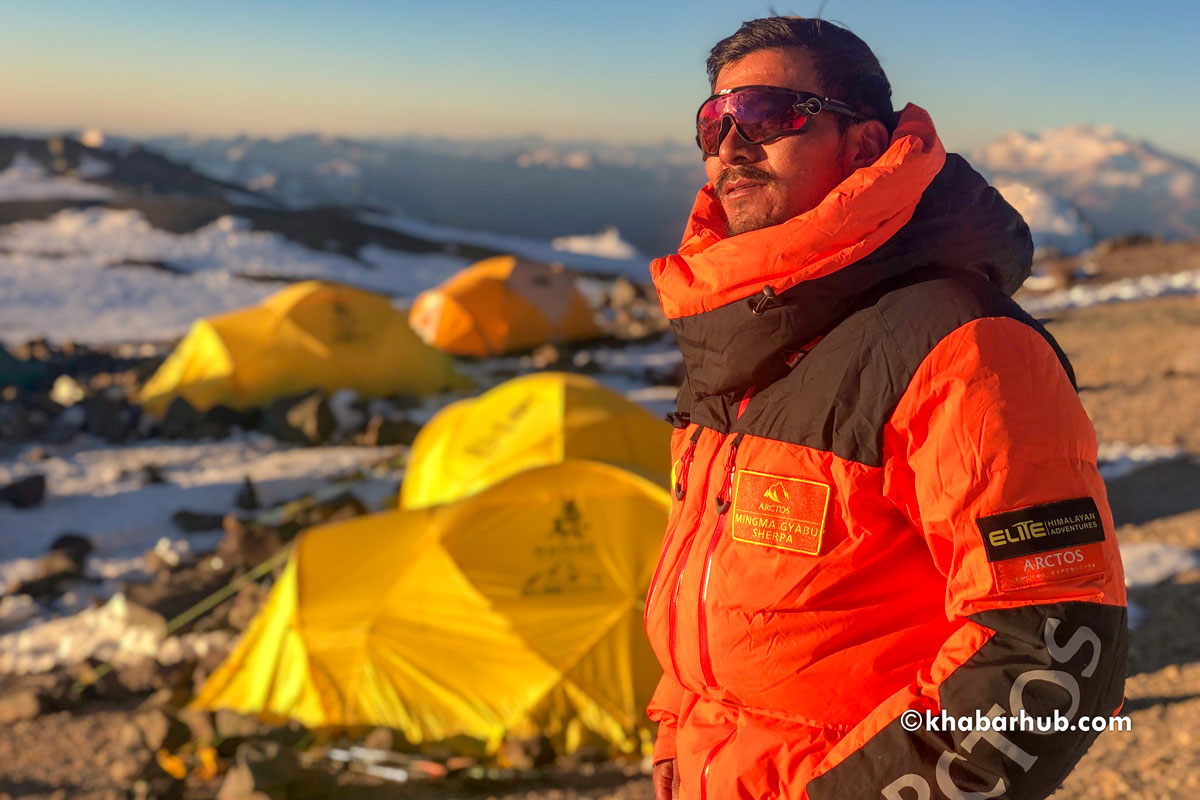
Born on May 16, 1989, in Taplejung, Mingma started his career as a porter in 2009. Full of enthusiasm and confidence, Mingma set on a mission to ascend the Everest in 2010 and succeeded in reaching the top of the world.
Talking with Khabarhub, Mingma recalled one of his neighbors, Dorje Khatri (died in 2014 due to the avalanche at Everest Base Camp), who encouraged him to climb the peak. “In fact, Khatri boosted my confidence,” Mingma said while recalling what Khatri had told him once: “Never look back”. In fact, Mingma never looked back. His only aim was to conquer the world’s tallest peak. And, he did it!
He, however, appealed to the government to categorize mountaineering guides and provide them with social security.
“Oh, in fact, I have no words to describe the feeling when I reached atop the Everest at the age of 19,” a cheerful Mingma recalls the ‘joyous’ moment.
Sharing what goes inside a mountaineer after conquering a peak, he said that summiteers become speechless for a moment. “You can’t express the moment once you set your feet there,” he quips.
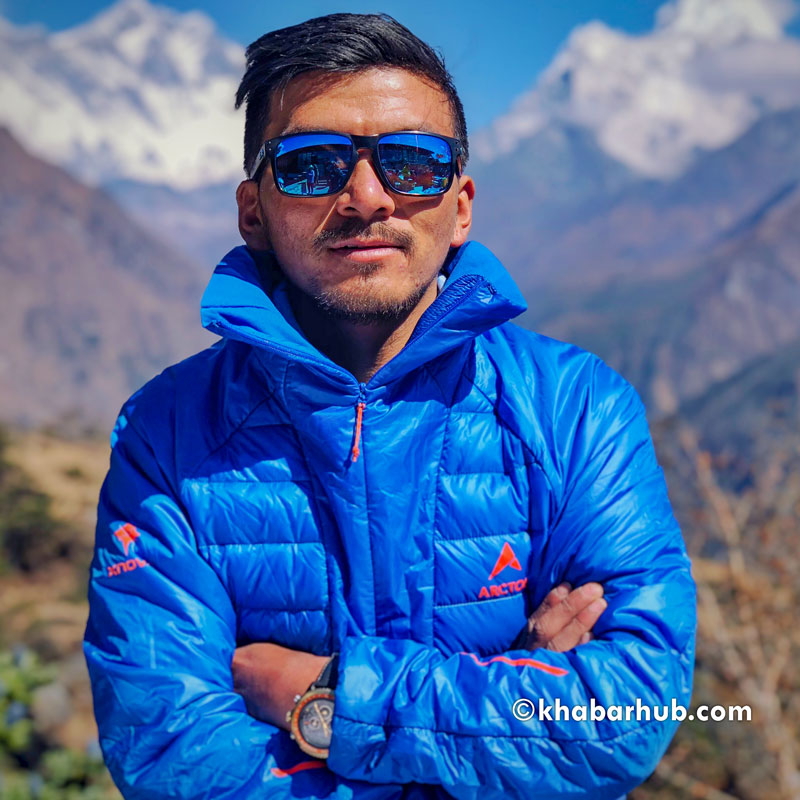
It was in 2016 when Mingma, along with a team of five Sherpas, organized a rescue operation at the height of 8,600 meters of the Everest. He reminisces the moment when after three unceasing hours of struggle, they found two climbers — Chetana Sahu, 43, from Odisha’s Cuttack district in India and Phurba Sherpa – who were struggling for life.
“Both of them were in a critical condition with their supplementary oxygen running out. We safely took them to the South Col, the sharp-edged col between Mount Everest and Lhotse. They were so gratified that they told us we gave them a new life,” Mingma recalls those moments with pride.
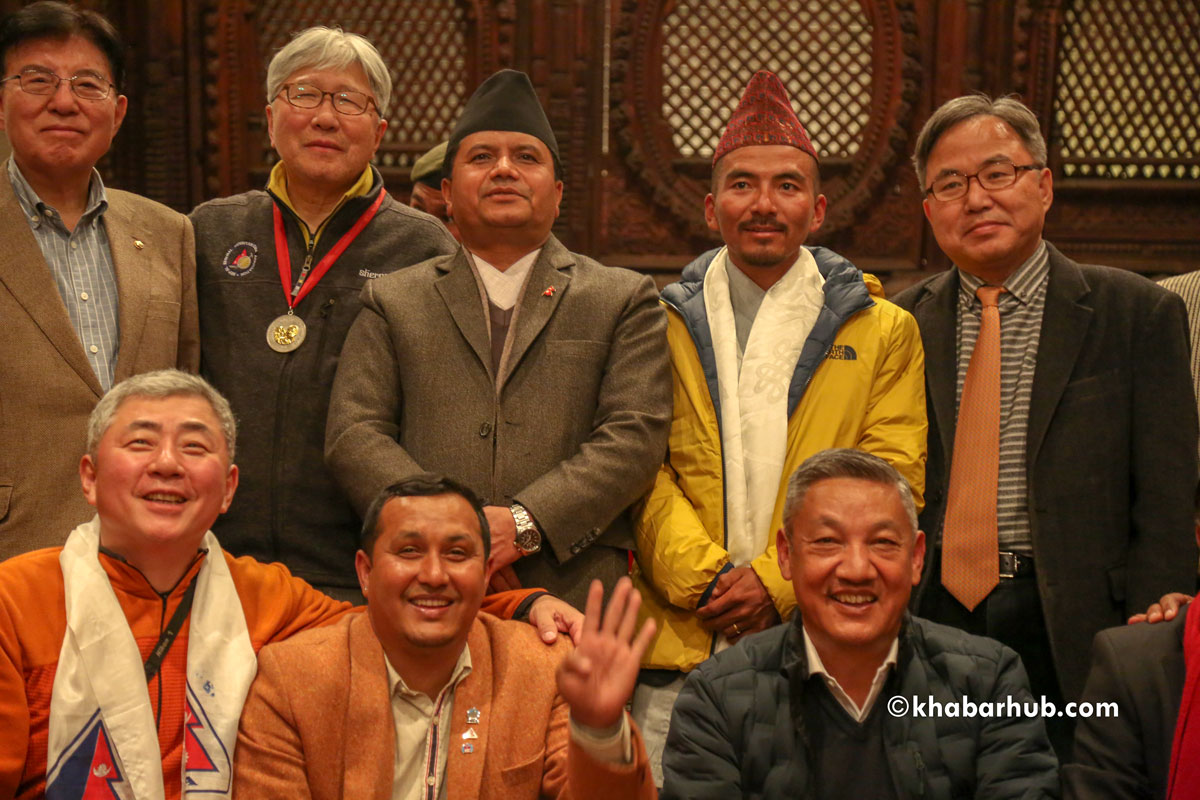
In the course of time, Mingma was honored with Piolets d’Or Asia Awards under the Sherpa category for his commitment to technical face climbing and positive environmental stewardship in the mountains. The award aims to encourage and inspire Asian mountaineers who achieved pure and visionary ascents. With the award, he was recognized as the Sherpa of the Year 2019.
“There was no incident that made me look back or quit mountaineering. It was my dream and I have succeeded in all attempts I have so far made,” a contented Mingma told Khabarhub.
He, however, appealed to the government to categorize mountaineering guides and provide them with social security.
Mingma, however, is worried about the difficulties in climbing the Everest in recent times. “In fact, climbing the Everest has become tougher due to global warming,” he said, adding, “The Khumbu Icefall is melting faster due to global warming. Despite this, the climbing seems easy due to experienced guides and sophisticated equipment they use,” he shared.
Mingma claims that he is not climbing the mountains for records. His dream is to climb successfully 14 peaks and 7 summits.
In 2017, a British Gurkha soldier, Hari Budha Magar, who lost both his legs in Afghanistan, scripted history by successfully standing atop Mera Peak (6,476m) in the autumn climbing season. Magar became the first double amputee above the knee to climb the country’s highest trekking peak in the autumn season. Mingma had led Magar successfully to the peak.
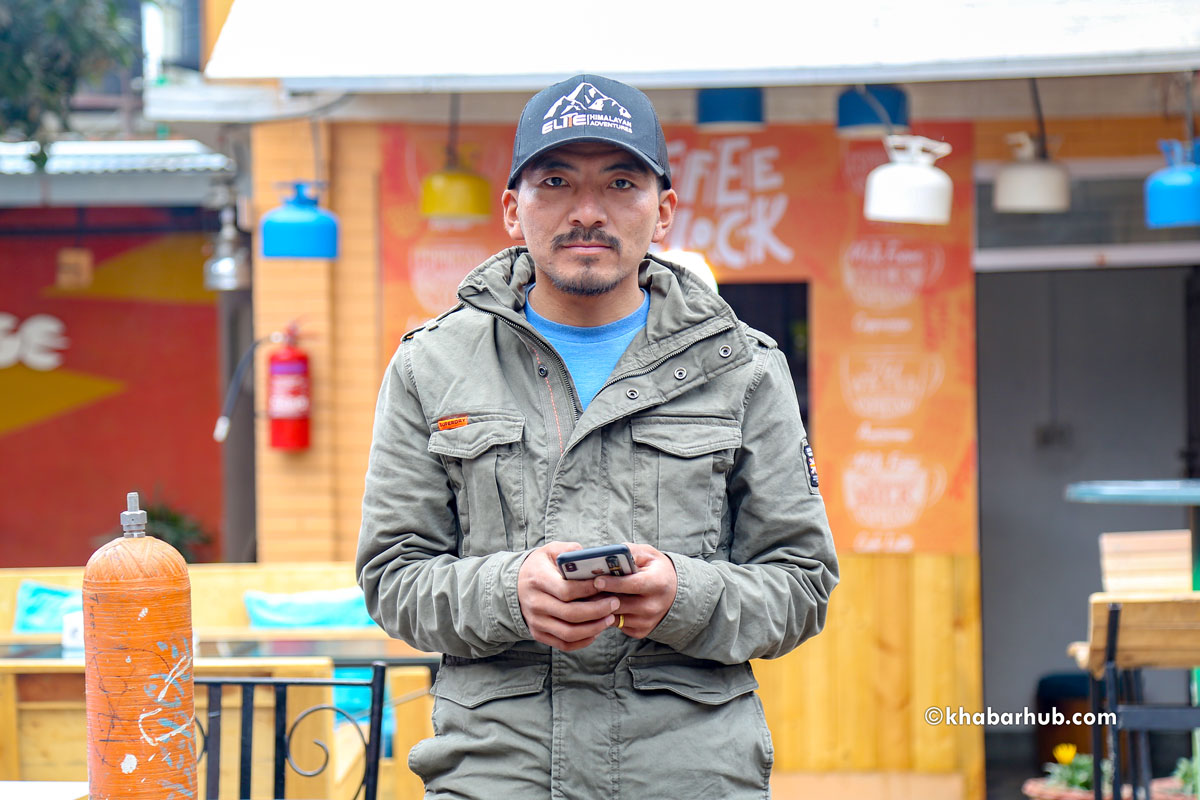
Mingma says foreigners climb the mountains because of their interest, as well as to set a record. Mountaineers reply on the courageous Sherpas while climbing the Everest.
In the current year, Mingma successfully climbed Island Peak and is on the way to climb Mt. Annapurna (8,091m). He will then climb Mt. Dhaulagiri (8,167m), and Mt. Kanchanjunga (8,586m) in the same season. Likewise, he is also planning to climb four mountains of Pakistan.
Mingma claims that he is not climbing the mountains for records. His dream is to climb successfully 14 peaks and 7 summits.
KATHMANDU: Sometimes, records are made unknowingly. This happened in the life of Phurba Tenjing Sherpa – a proud recipient of two Guinness World Records.
On May 23, 2018, he climbed Mt. Everest with his siblings — Pemba Dorje Sherpa, Dawa Diki Sherpa, Phurba Thinley Sherpa – to set a record of the most number of siblings to ascend Mt. Everest concurrently. Did Phurba know that he was making a record by climbing with his siblings at the same time? “No, I only realized it later that we set a record,” he quips.
Born in 1988 at Rolwaling village in Dolakha, Phurba Tenjing started making a living as a porter at the age of 14. So far, he has guided a total of 23 Nepalis and a sizable foreigners to the peaks.
This young Sherpa also holds the record of ‘Most siblings to have climbed Everest” at different times. Seven out of the 11 offspring from Chhiring Nurbu Sherpa and Kimjung Sherpa have reached atop the Everest.

Photo: Thaneswar Guragai
Interesting! Phurba’s siblings, including Pemba Gyalzen Sherpa, Phurba Thundu Sherpa, Pemba Dorje Sherpa, Nima Gyalzen Sherpa, Dawa Diki Sherpa, Purba Thile Sherpa, and Phurba Tenjing have conquered the Mt. Everest. “Wasn’t that a moment to cherish?” he queries with a broad smile.
Born in 1988 at Rolwaling village in Dolakha, Phurba Tenjing started making a living as a porter at the age of 14. So far, he has guided a total of 23 Nepalis and a sizable foreigners to the peaks.
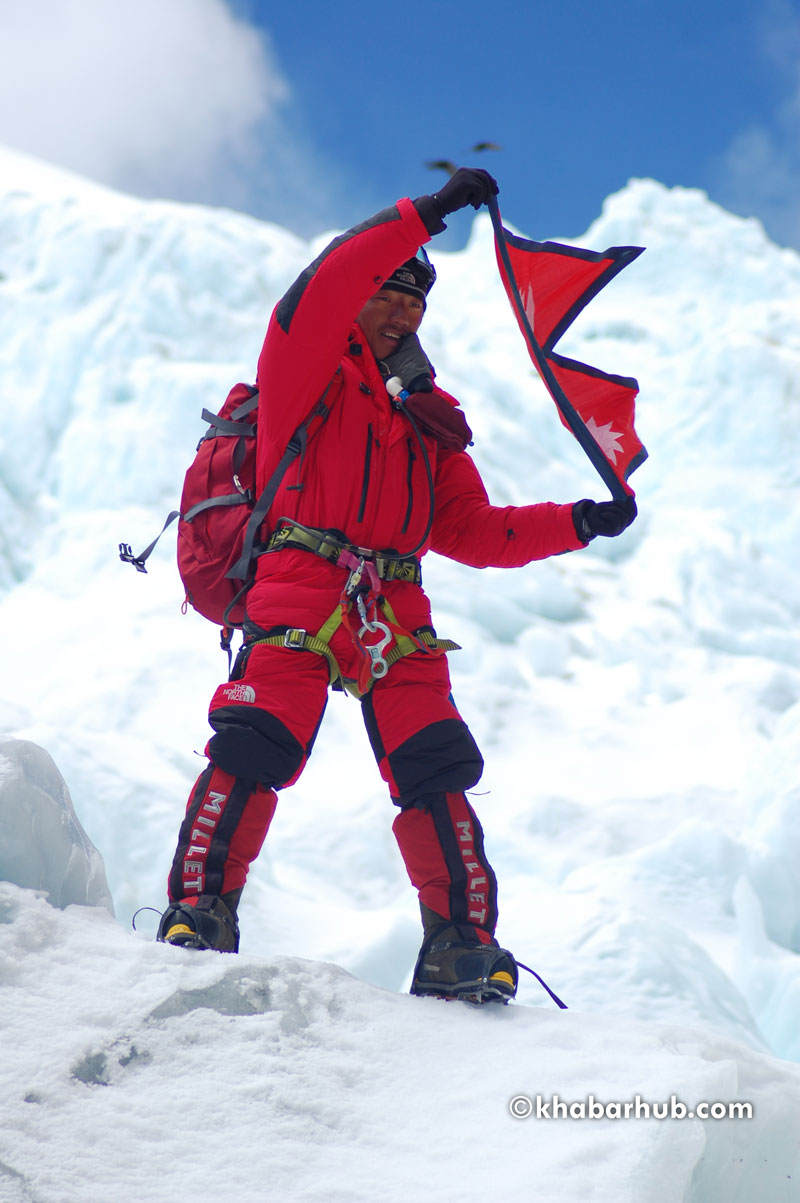
Photo: Thaneswar Guragai
In 2008 and in 2017, this enthusiastic Sherpa ascended the Everest twice in three days. He descended to Camp IV and climbed the peak again.
He reminisces those days when several porters came to the village from the lowlands and failing to cross the Tashi Lepsa Pass (5,750 m) to reach Lukla – a five-day trek — due to high altitude. “I then started working as a porter at a tender age,” he recalls. Barely three years working as a porter he made up his mind to give a try to climb the world’s highest peak. “I was able to gather the confidence, and finally I made it. I climbed the Everest from the Tibetan side with my eldest brother Pemba Dorje Sherpa in 2007,’ he told Khabarhub.
Before this, he made a failed attempt to ascend the Mt. Pumori (7,161 m) at the age of 16 years. “I could not reach the top due to an avalanche,” he recalls.
Sherpa community, he says, respect the mountains as God since they grow up in the lap of the mountains.
“We revere mountains as God like the way we love and respect our mothers,” he said.
Since then, there has been no looking back. “This boosted my morale,” says Phurba.
In 2008 and in 2017, this enthusiastic Sherpa ascended the Everest twice in three days. He descended to Camp IV and climbed the peak again.
He has also conquered Mt. Manaslu thrice. In 2011, he climbed Mt. Ama Dablam within ten days and stayed at the summit for a staggering 10 hours.
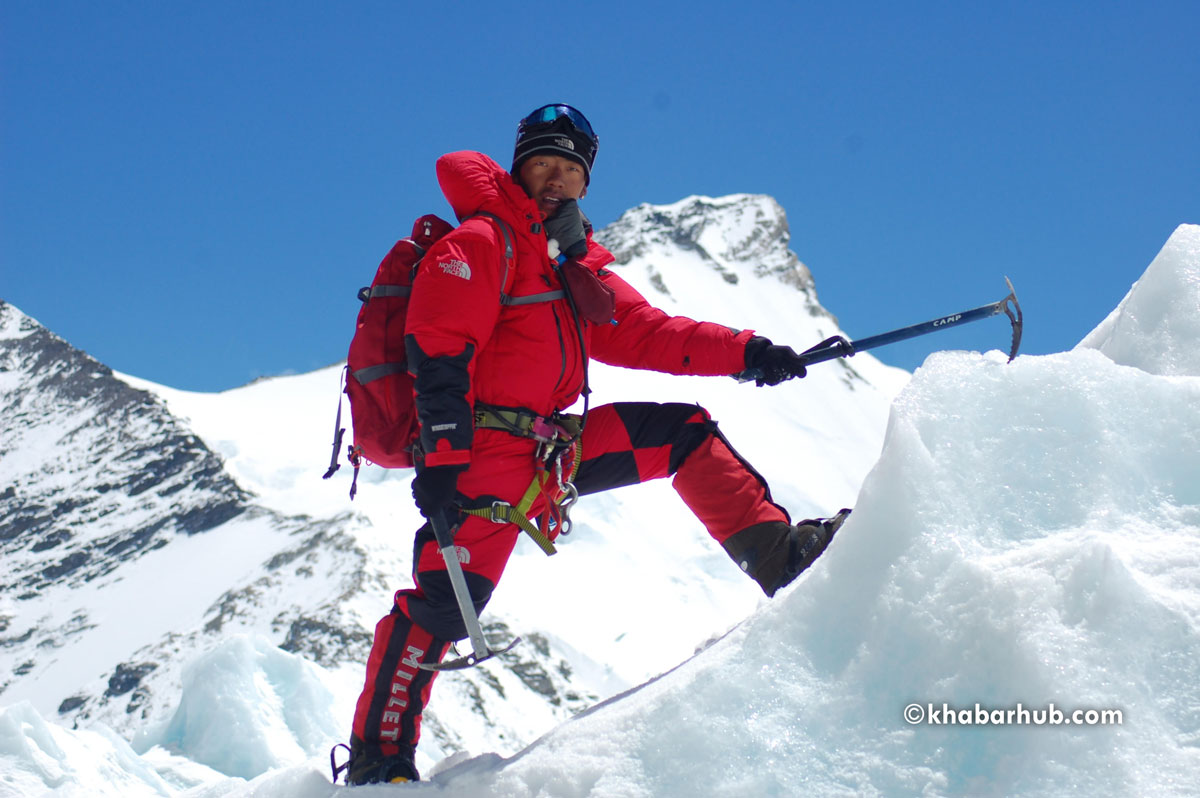
Photo: Thaneswar Guragai
Ask him what did he earn so far, and pat comes the reply: “The positive impression as well as the recommendation of being a hospitable guide and a supportive porter is what I have earned in all these years.”
Sherpa community, he says, respect the mountains as God since they grow up in the lap of the mountains.
“We revere mountains as God like the way we love and respect our mothers,” he said.
Phurba Tenjing, however, is saddened at the way the government has ignored the plights of Sherpa who guide mountaineers to the peak safely. “We feel overlooked,” he laments.
An adage, which he is accustomed to hearing from mountaineers, makes his chest broader. Consider this: “Everest can be conquered without oxygen, but not without the Sherpas.” What could be more heartening than this for Phurba and rest of the Sherpa porters and guides?
He is equally worried over the dwindling number of Sherpas in the mountaineering sector. “Youngsters have started losing interest in mountaineering as they are more options available. They prefer going abroad,” Phurba told Khabarhub.
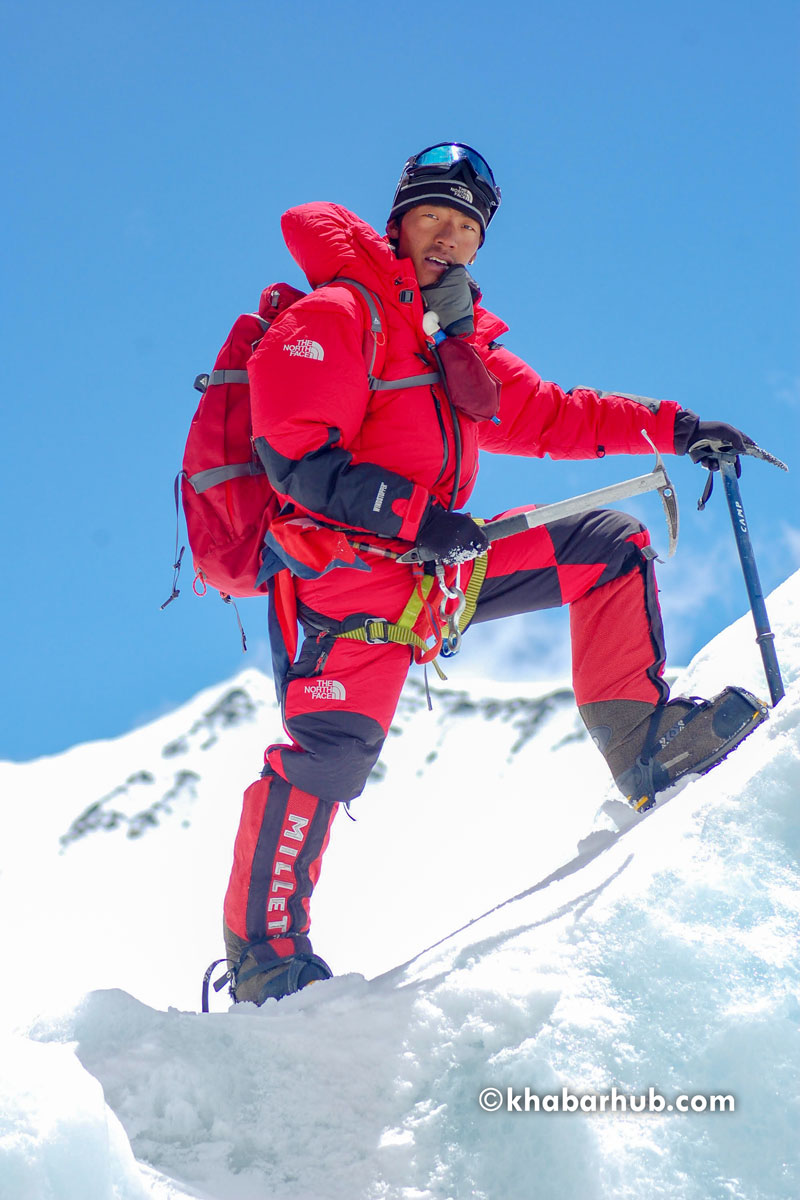
Photo: Thaneswar Guragai
In the course of the conversation, Phurba gives a sad expression while reminiscing a horrific moment when an avalanche hit the Everest in the 2015 devastating earthquake that left him with a fractured backbone. “I never thought that I would survive,” he said adding, “Even now, I get scared while ascending.”
An adage, which he is accustomed to hearing from mountaineers, makes his chest broader. Consider this: “Everest can be conquered without oxygen, but not without the Sherpas.” What could be more heartening than this for Phurba and rest of the Sherpa porters and guides?
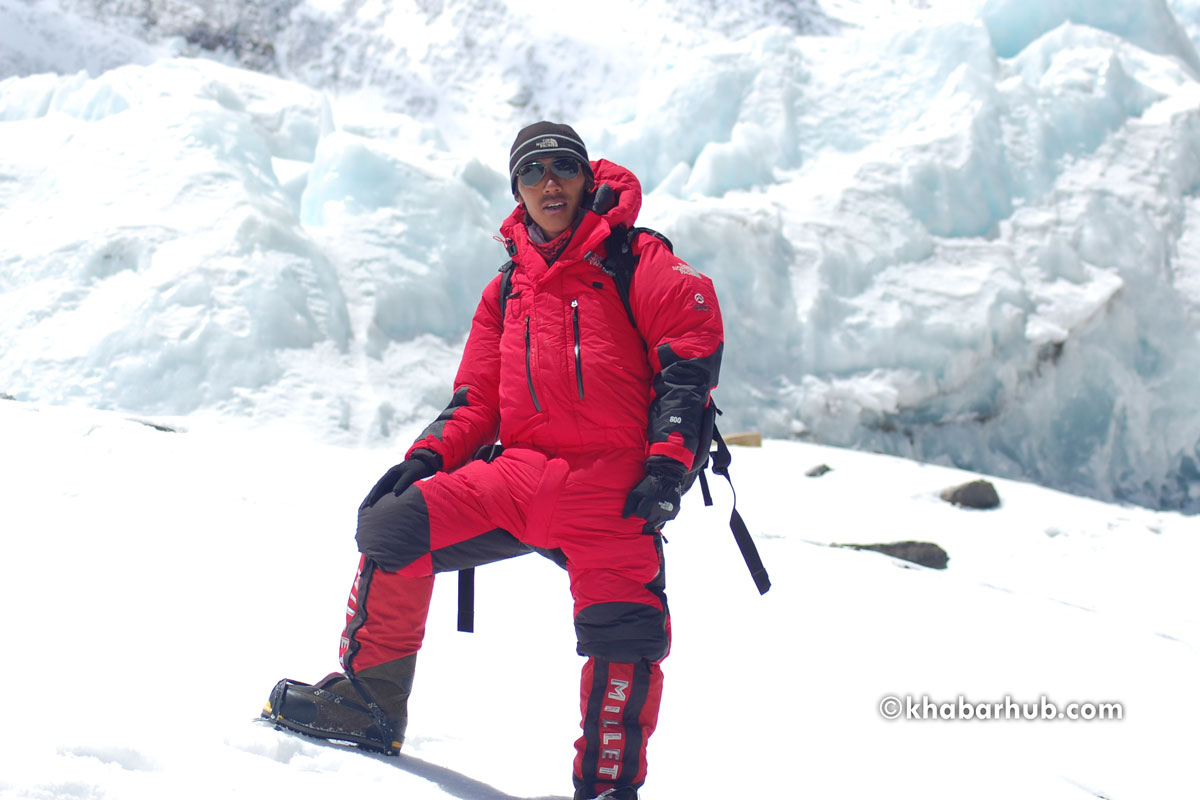
Photo: Thaneswar Guragai
By saying so, he also recalls the moment when he guided Rosha Basnet, a journalist, to the summit. “Rosha appreciated my support,” he says adding, “When God is always with us, why we need to fear?”
(With inputs from Thaneswar Guragai)
MANANG: A significant number of tourists have increased in Manang district of Nepal of late. Most of the hotels are chock-a-block after a significant rise in tourists in recent days.
According to the Nepal Tourism Board (NTB), a total of 124,421 visitors visited Nepal in February, which was 39 per cent more than the same month last year. Similarly, 97,694 international visitors came by air while 26,727 came overland.
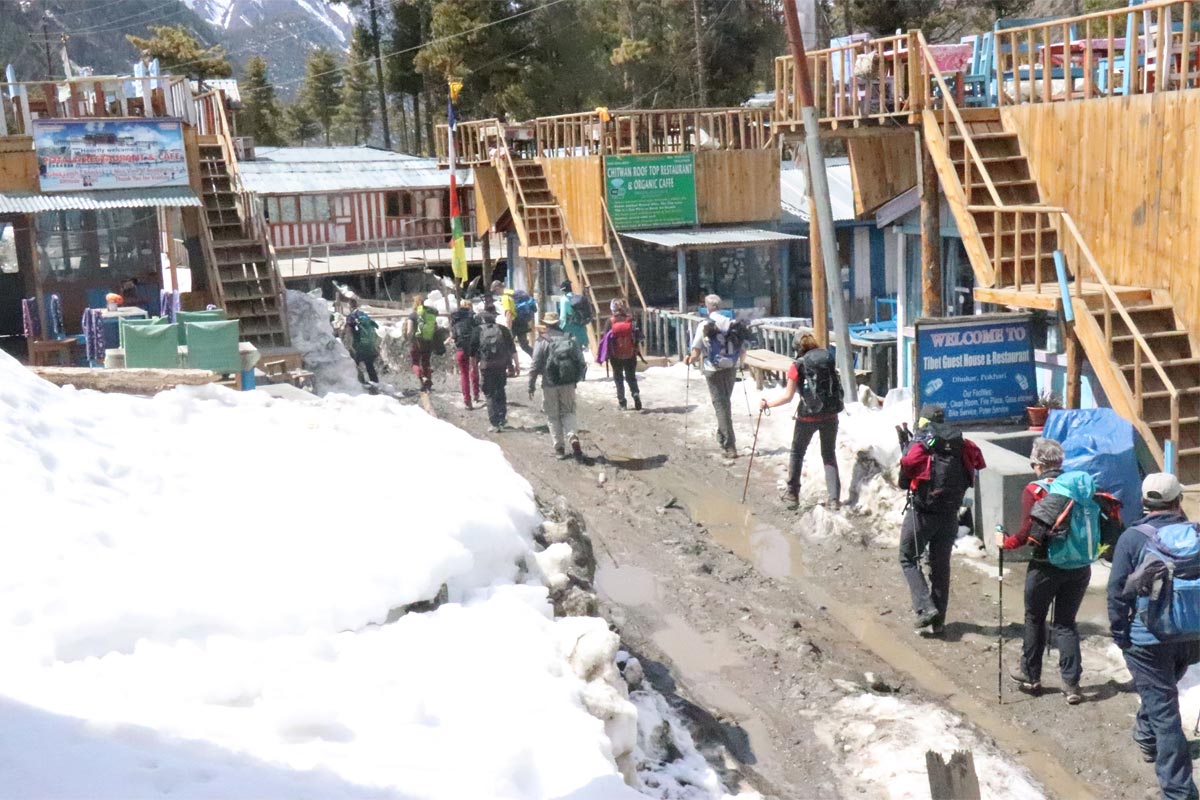
Furthermore, 16,205 Chinese tourists, 14,571 Indian, 14,831 Sri Lankan, 5,268 English, 3,340 German, 1978, French, 2,978 Australian visited Nepal in February.
Manaslu Base Camp, 4800m, trek has always been a fascinating route for trekkers and climbers. Also dubbed as an untouched paradise, it has been one of the most popular trekking destinations in Nepal.
Officially opened in 1992, the base camp route is considered as an adventure trek for travelers.
In fact, Manaslu trek offers an absolute view of the mountain peaks, rich cultural heritage, breathtaking panorama as well as rural civilization. To add more, it has an incomparable beauty blended with the natural assortment.
The majestic Mt. Manaslu, 8163m, which is one of the eight tallest mountains in the world, stands tall with its name “The Spirit-Mountain” in the local language.
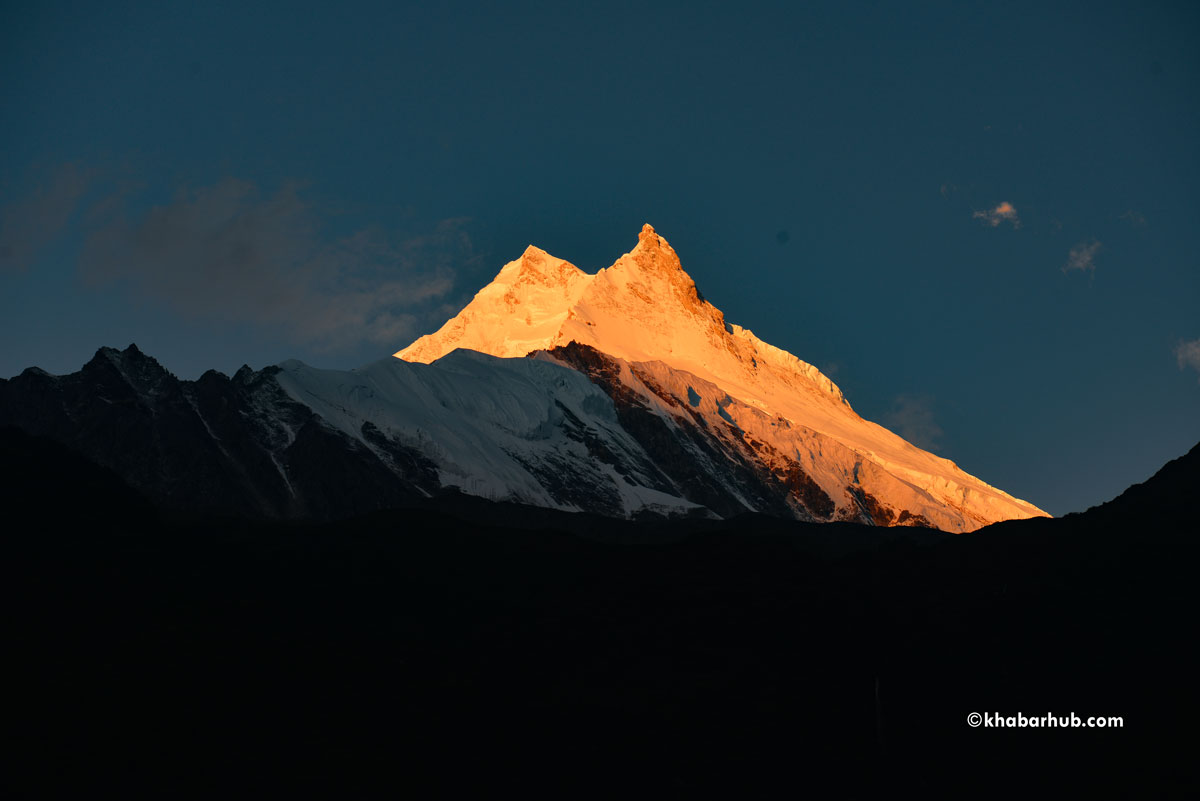
The sunrise view of Mt. Manaslu Main 8163m (L) and East pinnacle 7992m (L), seen from the renowned village Samagoan (3520m) of Gorkha.
Trek to the Manaslu Base Camp can be a blend of an unforgettable experience and wonderful adventure.
Trek to the Manaslu Base Camp begins from Sotikhola Bazar to Budhi Gandaki passing through steep yet picturesque valleys.
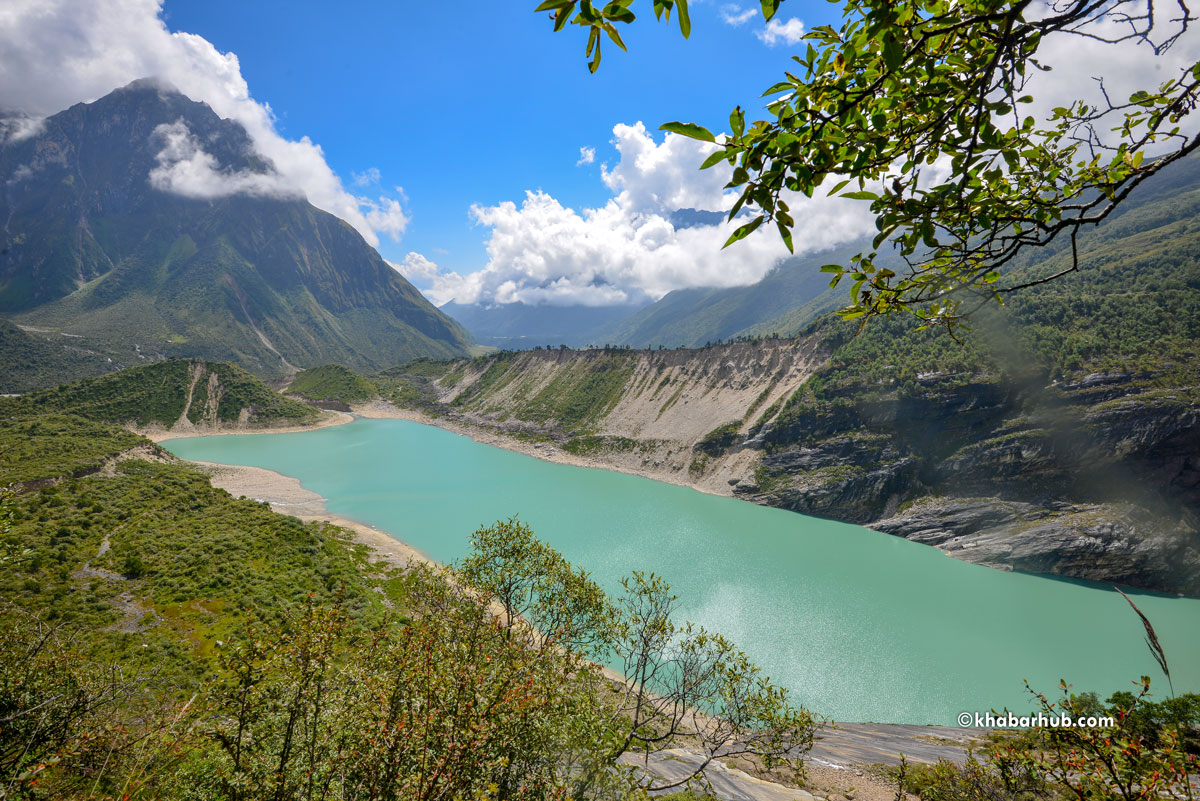
Magnificent view of Birendra Tal seen on the way to the Manalsu Base Camp.
The Manaslu base camp trek begins from Kathmandu to Arughat in Gorkha district. The 18-day trek will lead a traveler through the banks of the Budi Gandaki River passing through scenic valleys, green hills, ridges, jungles, prayer flags, Buddhist monasteries, typical villages, and what not!
The best time of Manaslu trekking begins from September, October and November or March, April and May. Trekkers are usually not recommended to go for trekking from June to August, which is a monsoon season.
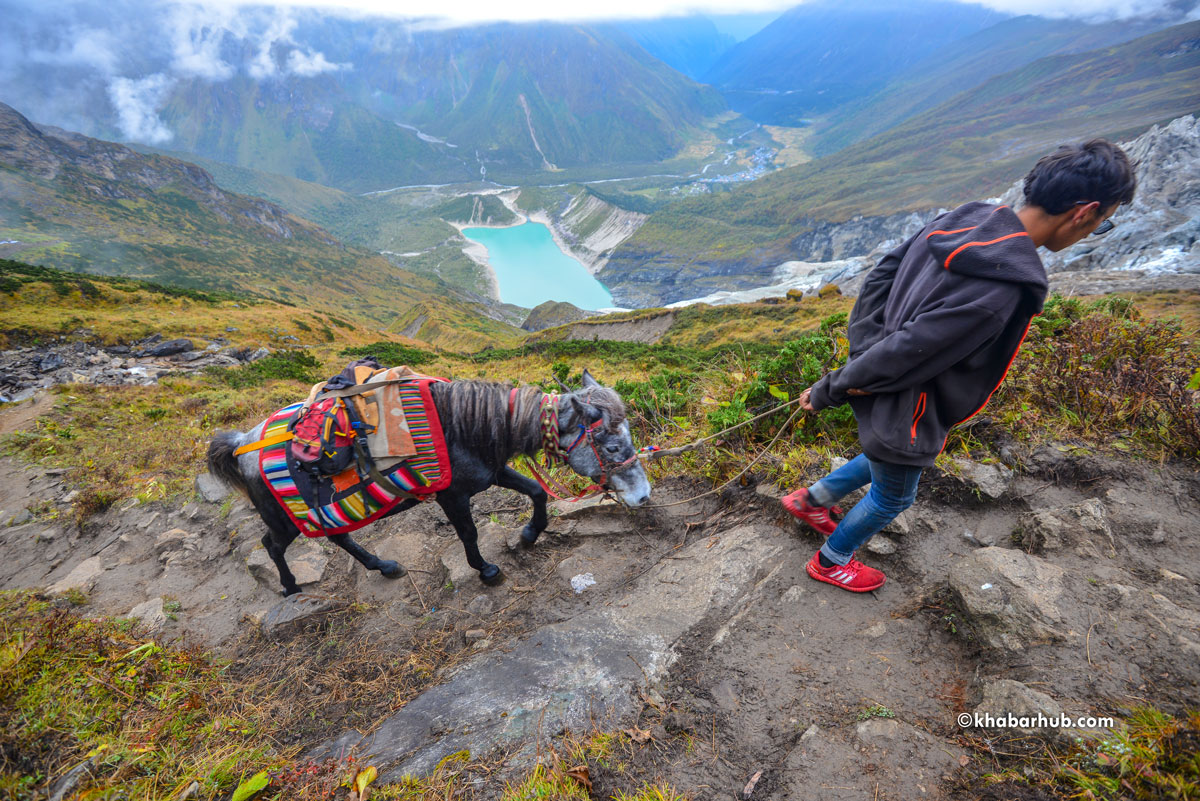
A man with a mule heading toward Manaslu basecamp (4800m). Donkey and mule are the major transportation means in the Manaslu Region.
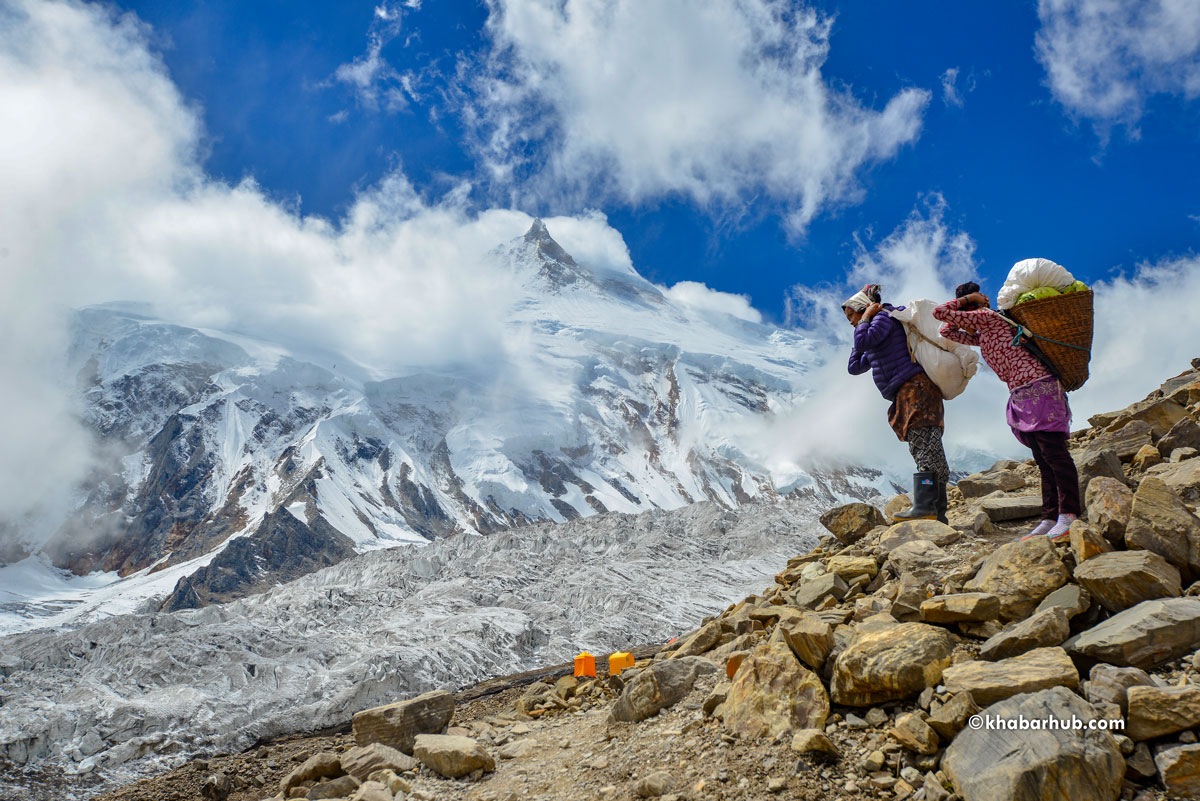
Two local women carrying loads to the Manaslu Base Camp.
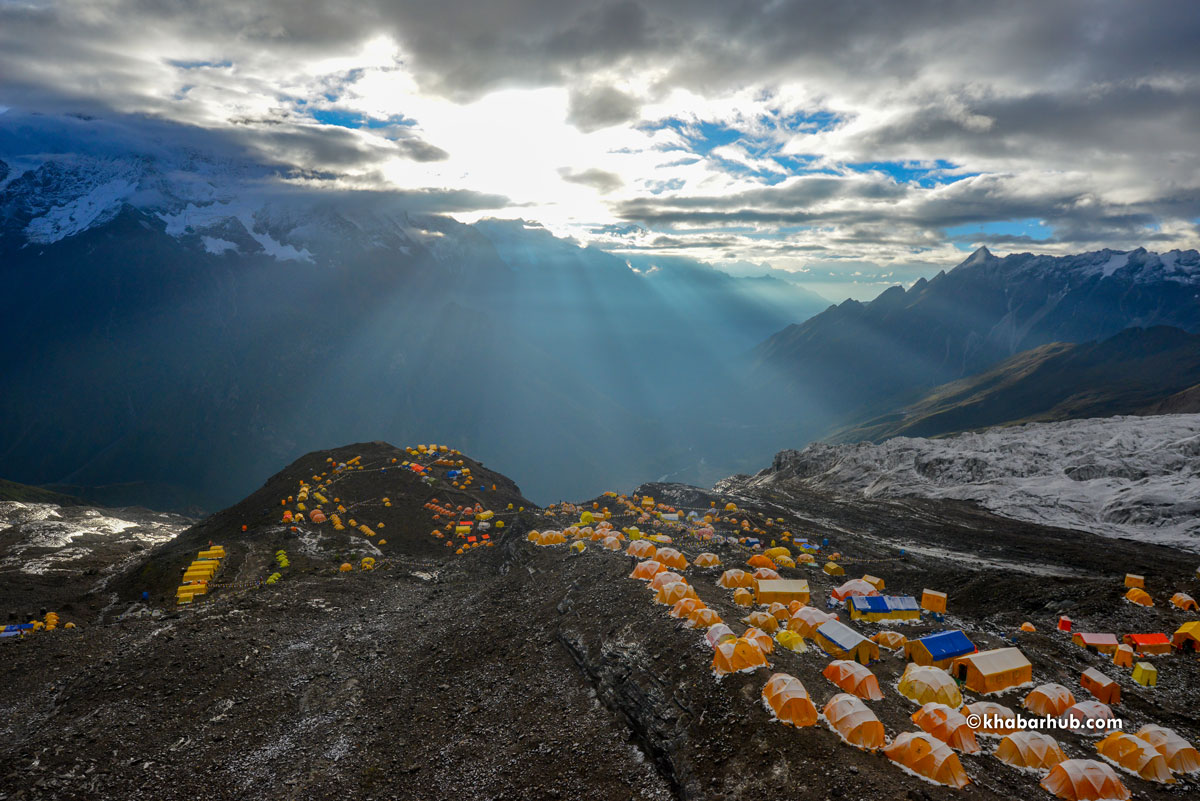
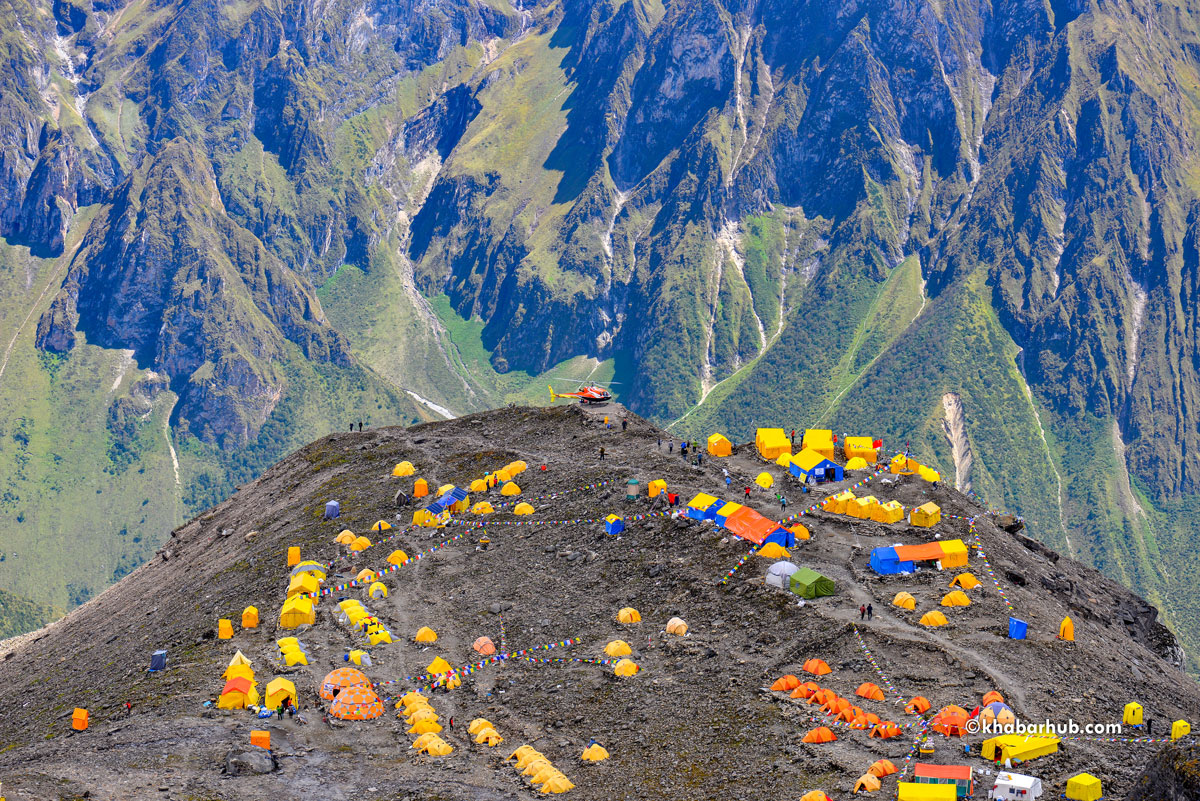
Tents at the Manaslu Base Camp (background is the Panpoche Peak 6620m). Climbers stay at the basecamp using tents for more than 30 days during the entire expedition. Each year more than 500 climbers climb the peak.
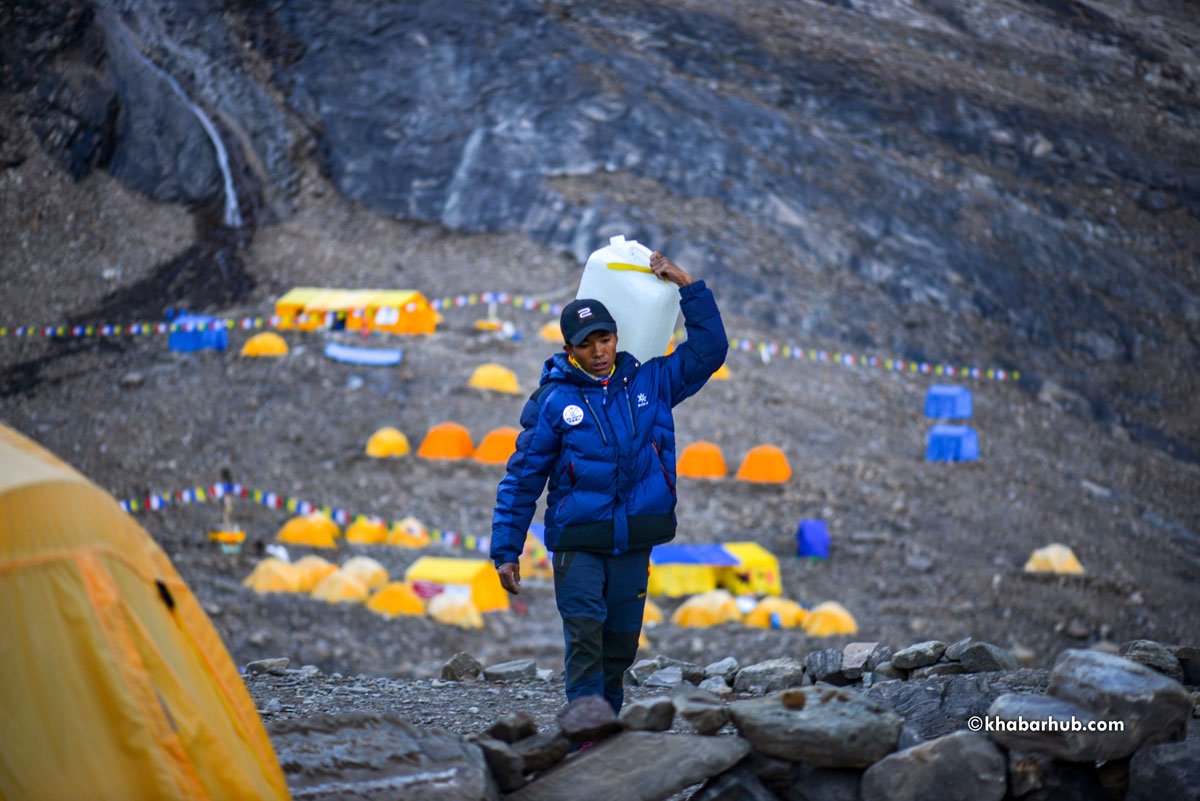
Man carry water from the source of melting ice at the basecamp.
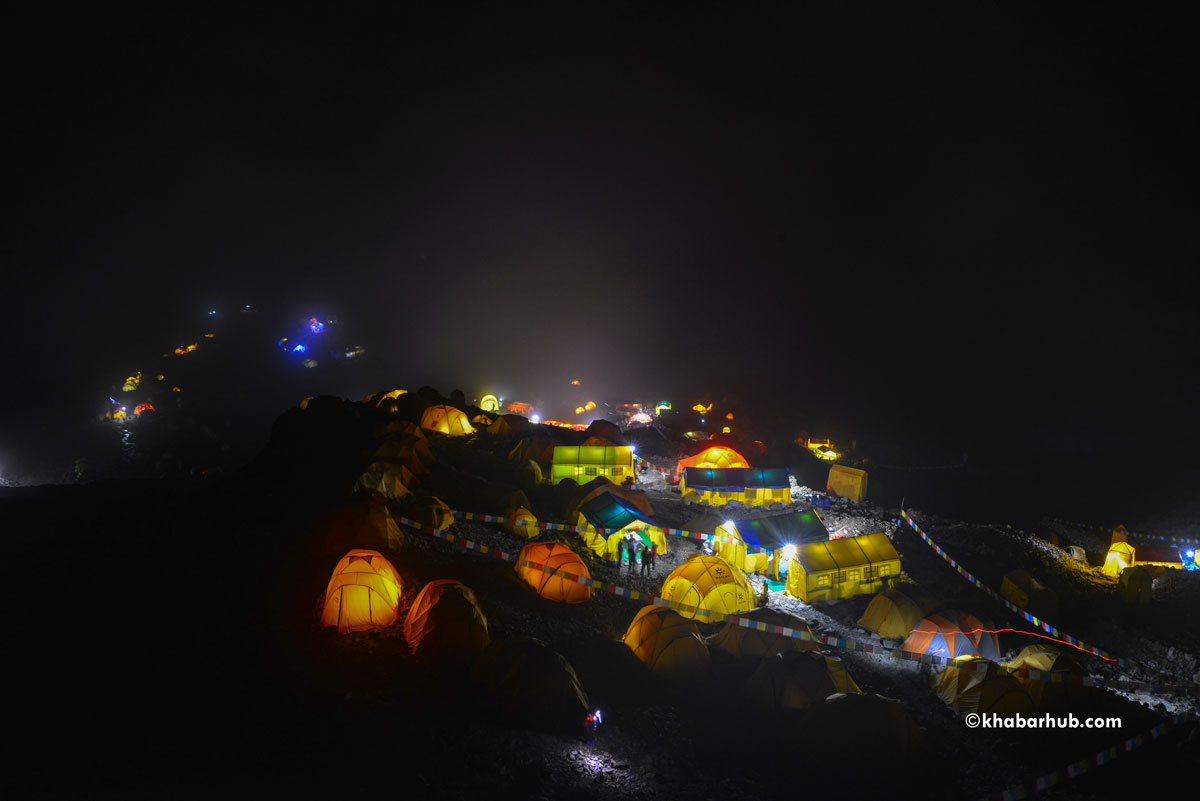
Lit up tents seen at the basecamp of Manaslu (4800m)
Man Marshaling helicopter at the basecamp. Some of the climbers chose to return to Kathmandu by helicopter after the climb. Helicopters are also used for rescue operations.
A chopper is seen at the Manaslu Base Camp.
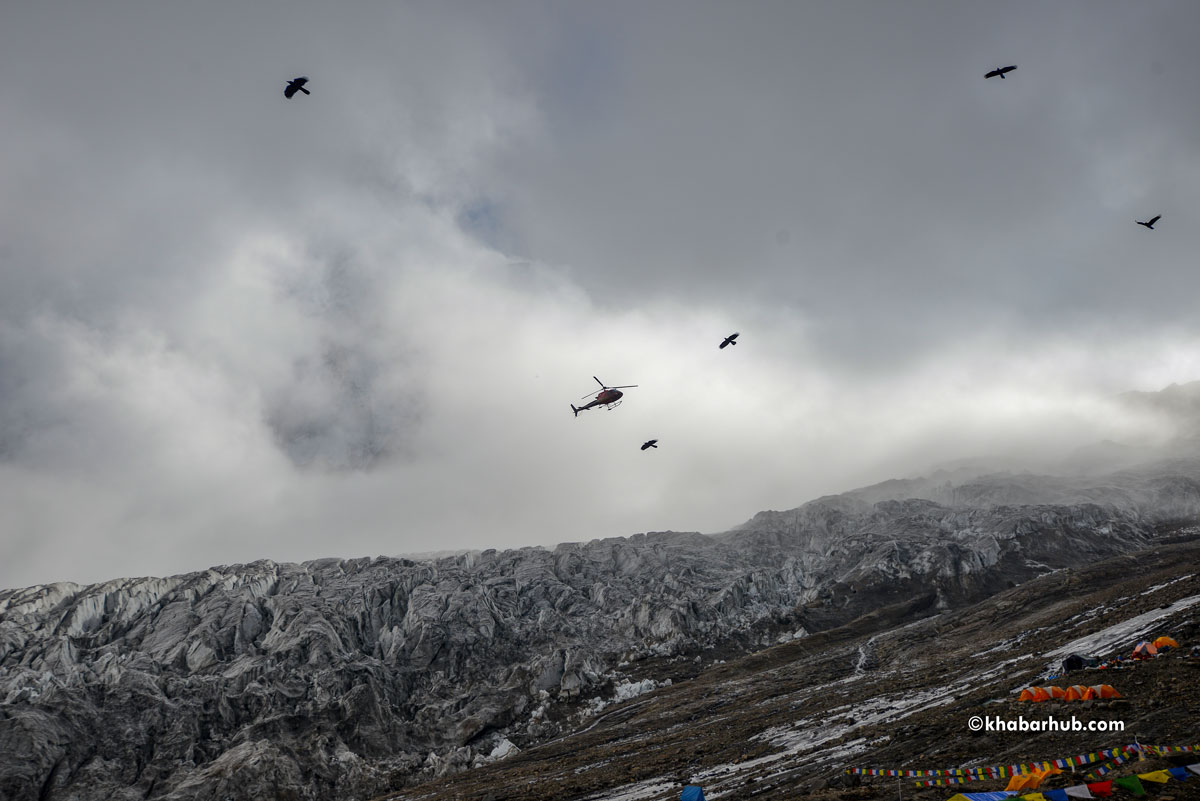
Helicopter and crows at the basecamp.
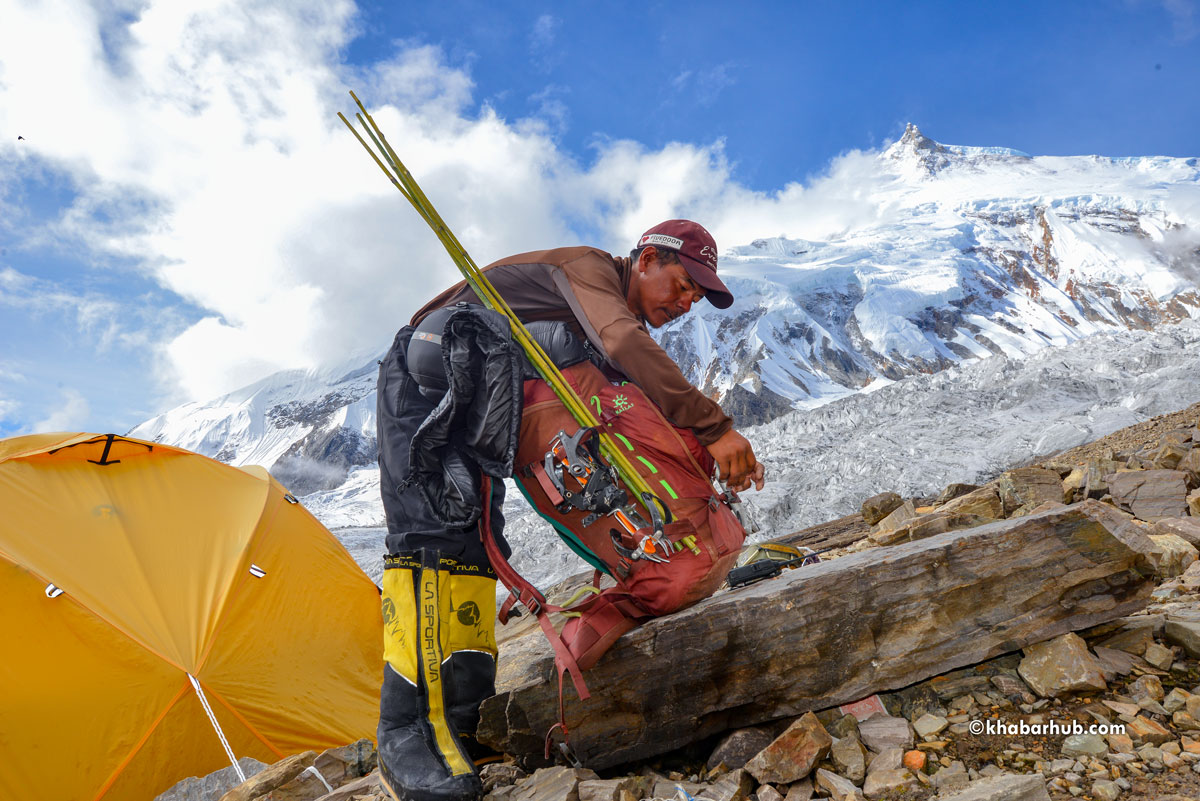
Sherpas preparing to go to the higher camp.
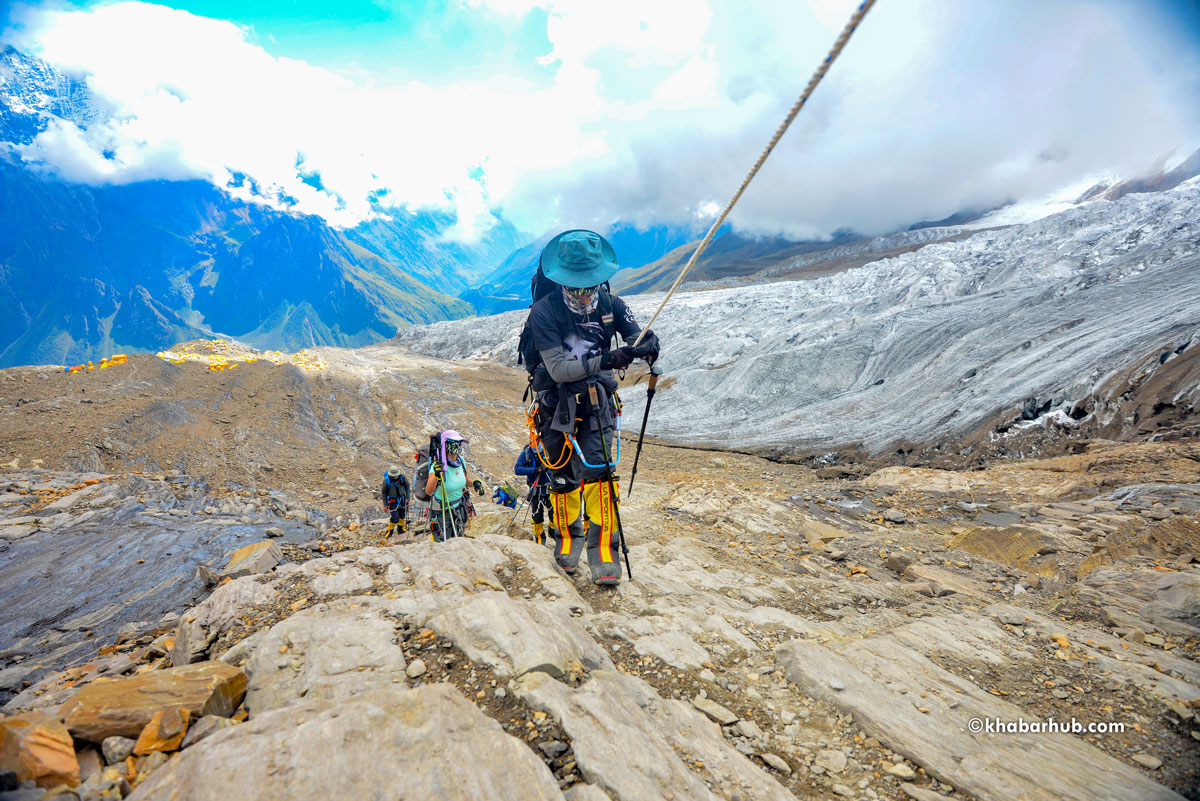
Climbers hiking towards Camp I from the base camp.
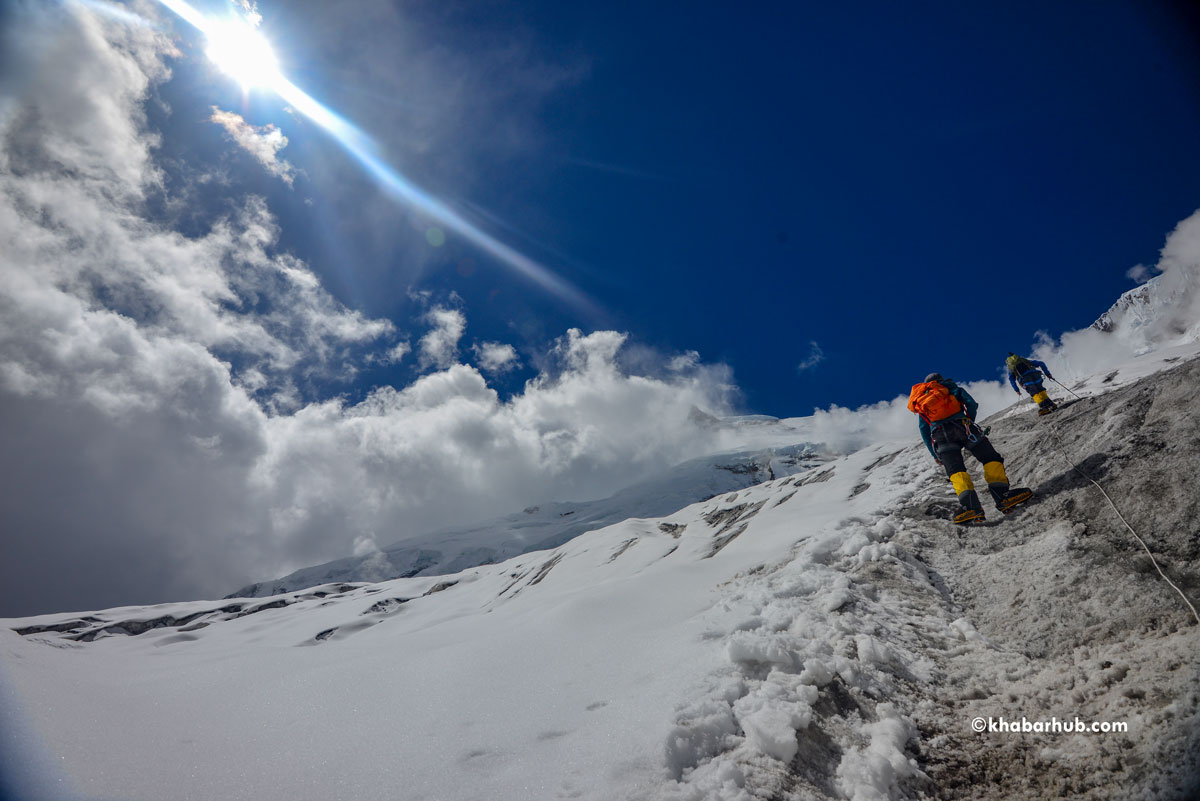
Climbers on the way to Camp 1.
KATHMANDU: A total of 22 mountaineering tourists were rescued in December, January and February, according to the Department of Tourism (DoT). Of them, 12 tourists were rescued in December from different parts of Nepal.
Most of them were rescued from the Mt. Everest Circuit route. Similarly, 6 tourists were rescued in January and 4 tourists in February. However, rescue reasons were cited only in the case of the 7 rescued tourists. Reasons include diarrhea, high altitude and heavy snow.
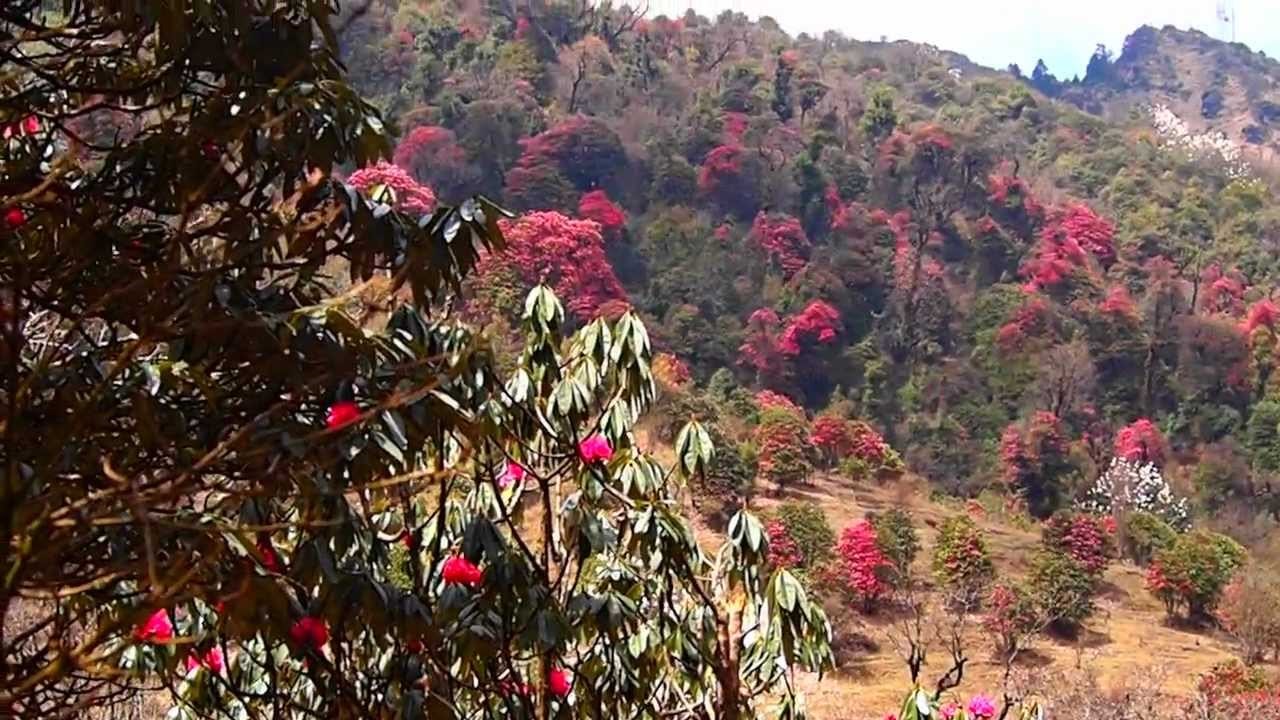
KATHMANDU: When rhododendron trees are in full bloom with the advent of the spring season, their aromatic flowers create red blotches on the white and green hills of Taplejung district.
It blooms along the swathe of hilly region of the country stretching from Taplejung in the east to Dadeldhura in the far-west.
The flowers bloom to the fullest during mid-March to mid-May with the backdrop of the mountain range, appealing to the eyes of both domestic and foreign tourists.
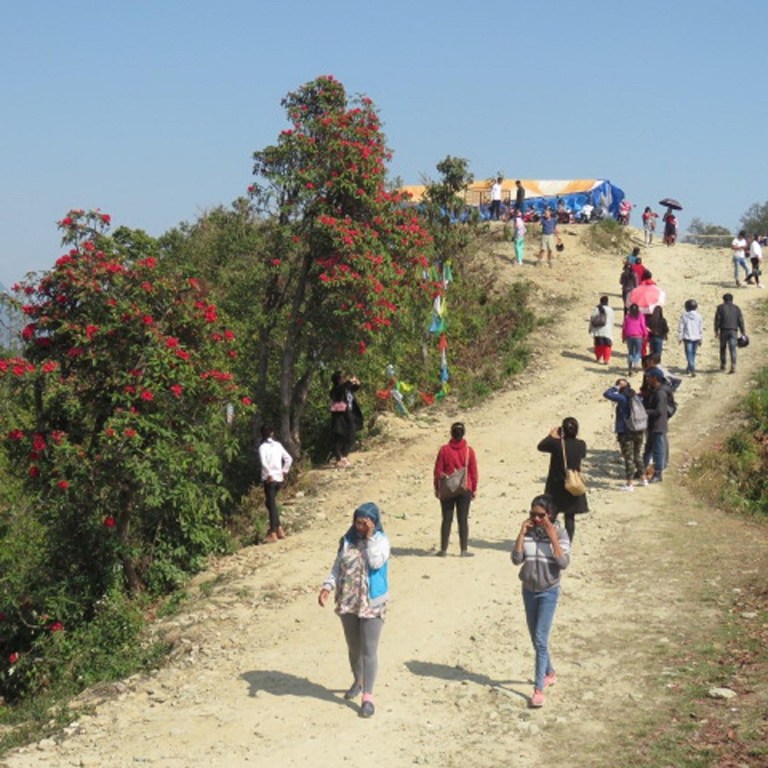
A large of number of domestic tourists capturing images of rhododendron flowers on their cameras at Kahundanda in Pokhara Metropolitan City-11. (RSS)
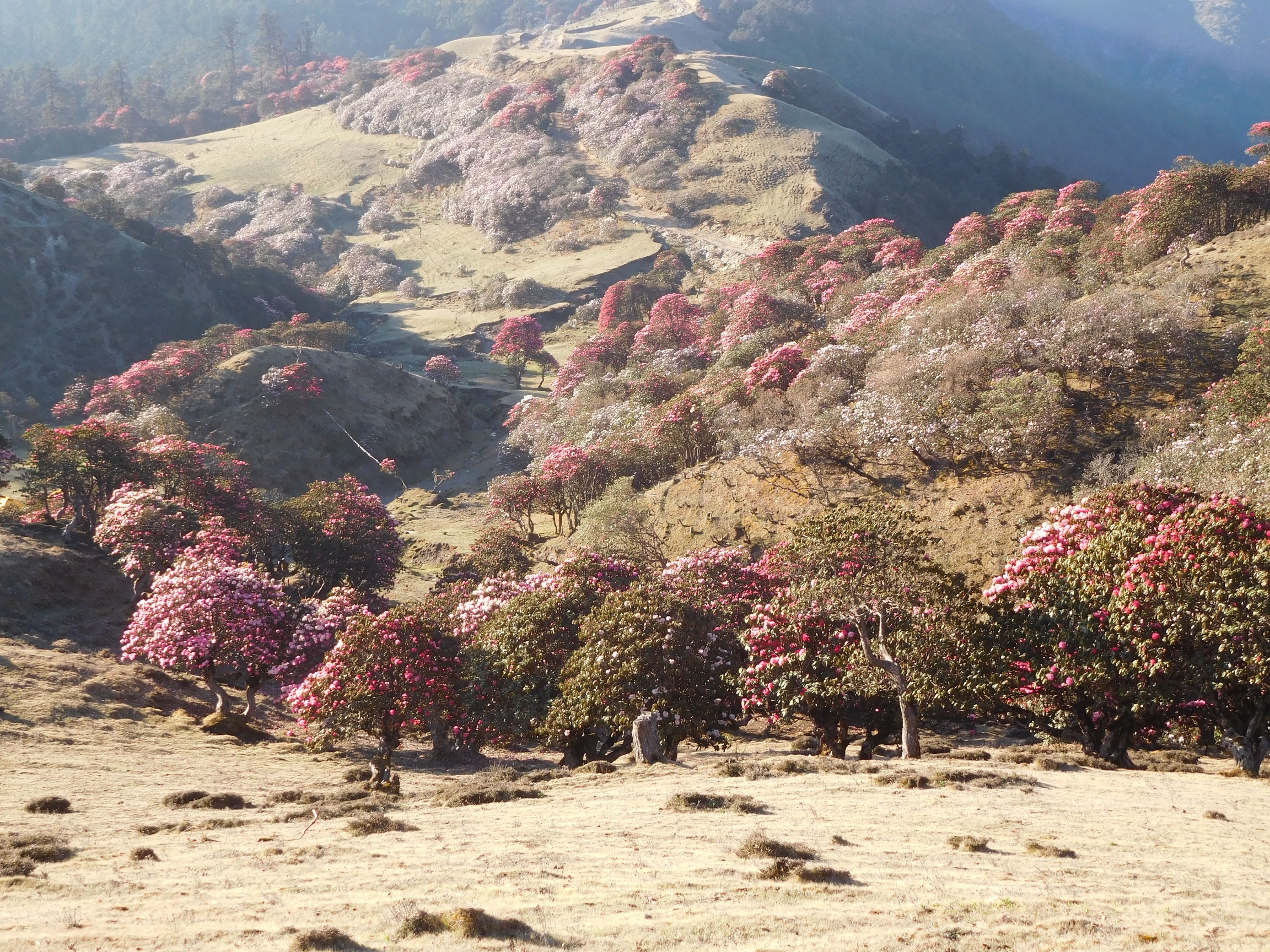
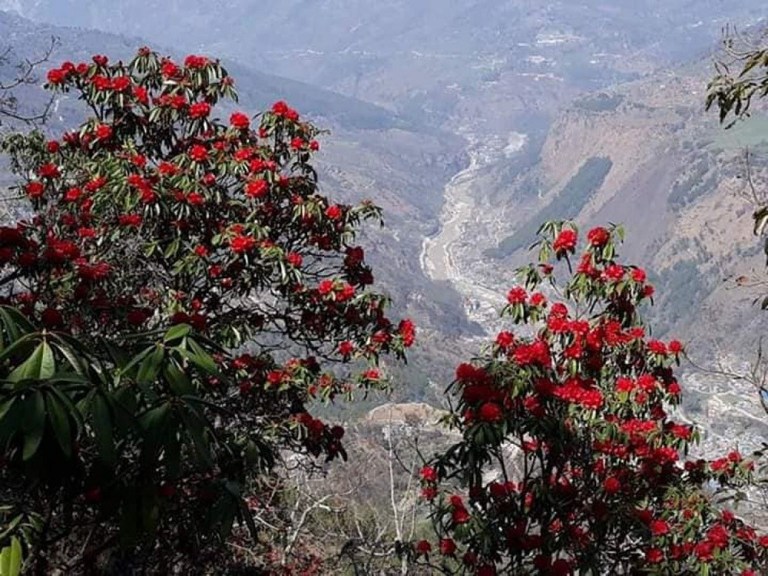
Rhododendron arboreum is an impressive tree species of rhododendron that grows as tall as 20 meters with brilliant red flowers. According to Dr Yadav Upreti, a researcher, a total of 33 species of rhododendron flowers available in Nepal, 30 species of rhododendrons are found in Province 1 alone. They are found in Taplejung, Panchthar, Ilam, Tehrathum and Shankhwasabha district at the altitude between 1,200 meters and 3,600 meters.
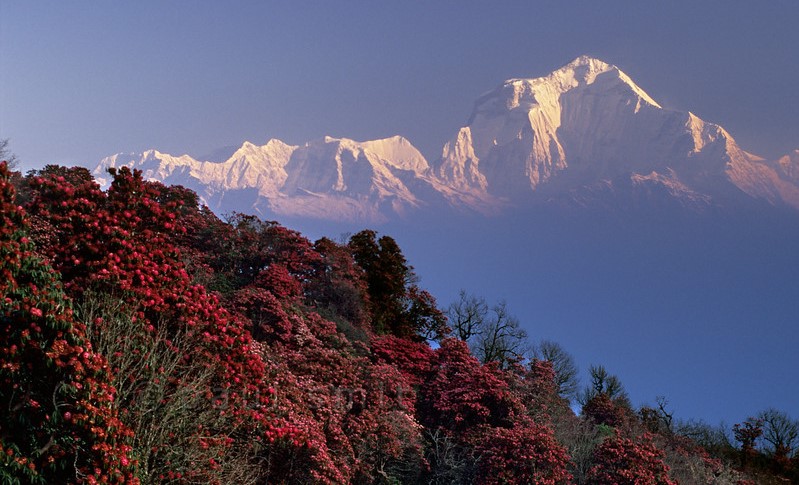
Similarly the rhododendrons bloom in Kaski, Myagdi, Baglung in the west and Dadeldhura in the far-west. They are found in red, purple, and pink and while colors.
The rhododendron is not only popular for its beauty but is also adored for its medicinal value. It is also used for making pickle and alcohol as well.
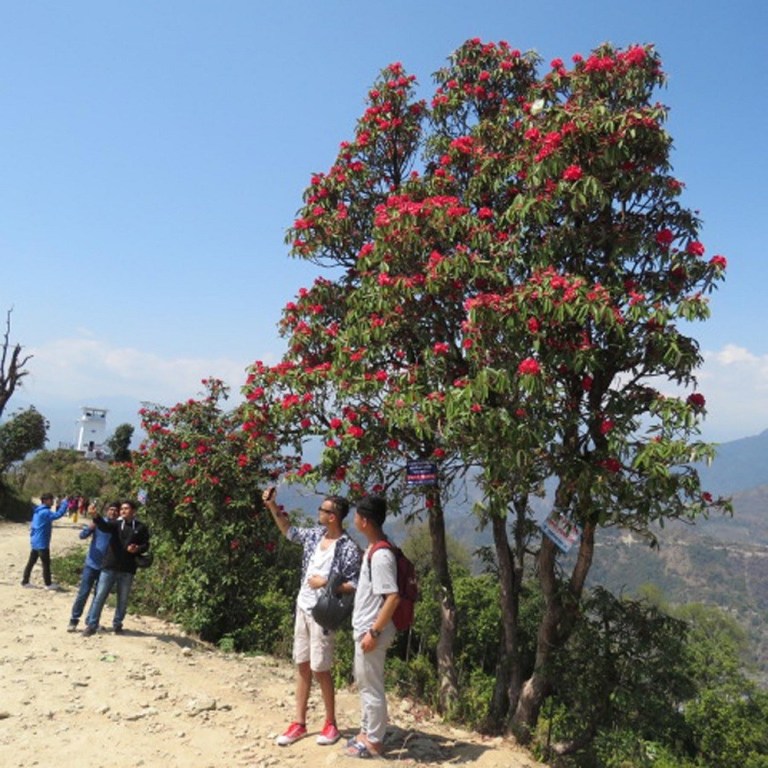
Domestic tourists taking a selfie at Kanhudanda of Pokhara Metropolitan City-11. (RSS)
It is high time that domestic and foreign tourists started thronging hills to savor the beauty of rhododendron flowers, with the backdrop of the snow-capped mountain range in Nepal.
Dreams can be fulfilled if you have the burning desire. In fact, all journeys begin with a dream. For many, climbing the top of the world, Mt Everest could be a dream while some people might dream of reaching to the foot, the Everest Base Camp (EBC) at an altitude of 5,364 meters.
Reaching to the Everest Base Camp is now an achievable dream for those who want to glimpse the 8,848 meters summit. The EBC now has become one of the most popular adventure tourism destinations.
It will be a super adventure full of exciting moments, breathtaking snowy peaks, stunning glaciers, ancient monasteries, and ice falls, as well as the Sherpa culture and tradition.
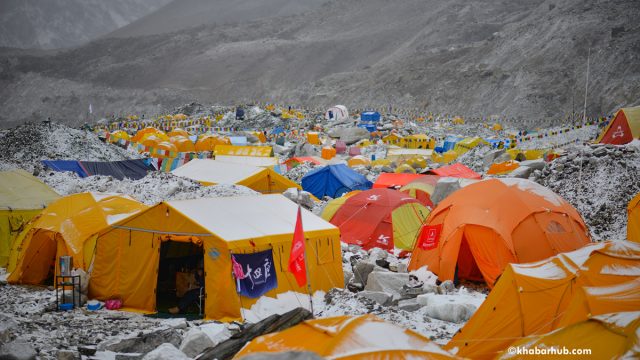
Tents at the Everest Base Camp. Climbers stay at the tent for around two months in each spring season.
Trek to the EBC can be enticing making it a lifetime experience for trekkers since this has been in the high priority list of trekkers.
Trekkers, however, cannot halt at the EBC, which is one of the most popular trekking routes in Nepal’s Himalayas. They have to return from there while climbers stay there for days before climbing the Everest.
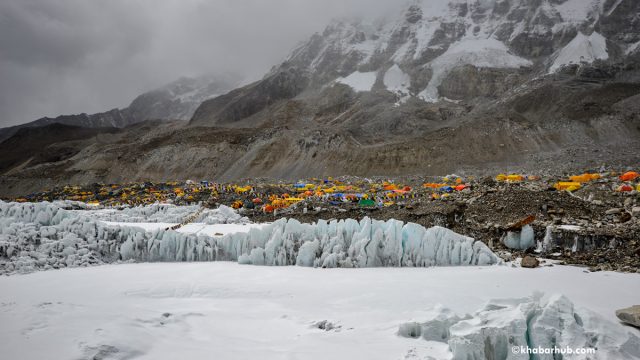
The EBC as seen from the Khumbu Icefall. In each season, around 2,500 trekkers and climbers come to the base camp.
Thousands of trekkers visit the EBC every year. Trekkers wishing save time and energy fly to Lukla, the gateway to Everest, from Kathmandu.
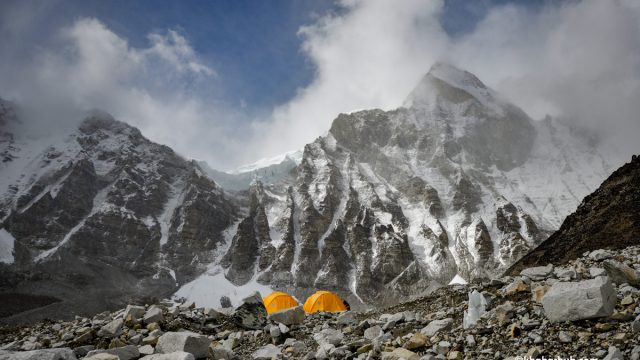
Tents at the EBC. Mt. Lingtren (6,749 m) is seen at the backdrop. Each tent accommodates only two persons.
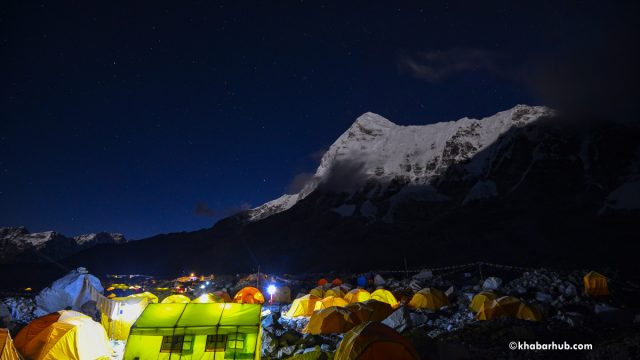
Tents at night. Mt. Pumori (7,161 m) is seen very close. The temperature at the EBC at night deeps down to a minimum of minus 20 degree Celsius.
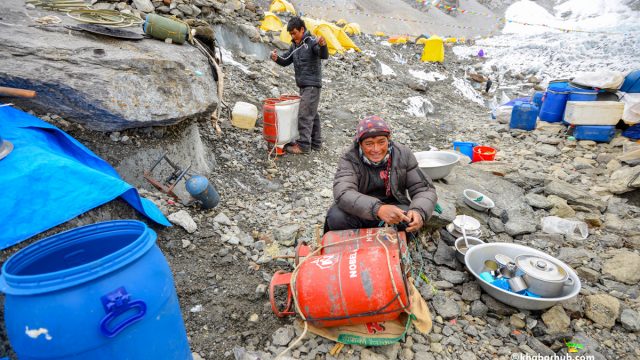
Porters are seen delivering gas cylinders at the base camp. Trekkers started using gas cylinders to cook food since the last one decade. The cylinders are also taken to the Mt Everest Camp 2.
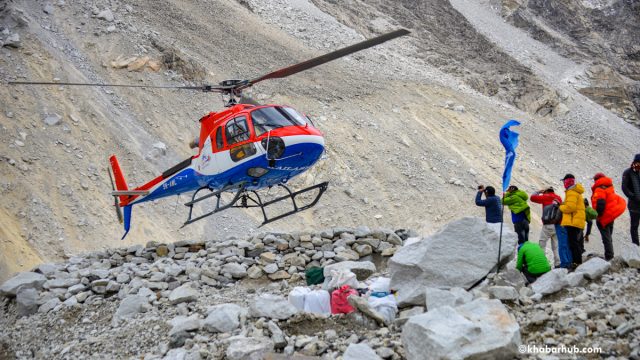
Helicopter is seen at the EBC. Trekkers also prefer choppers for viewing the Everest. Helicopters are also used in rescue operations.
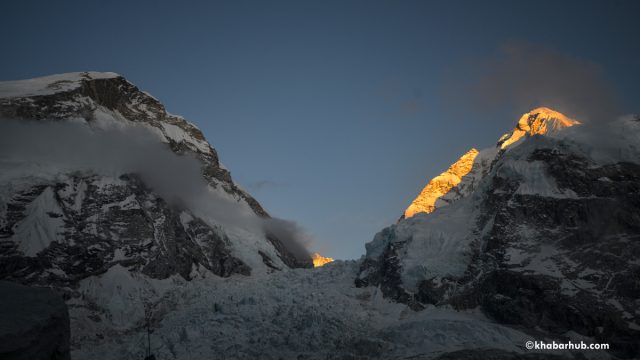
Sunrise seen at the ridge of Mt. Nuptse (7,861 m).
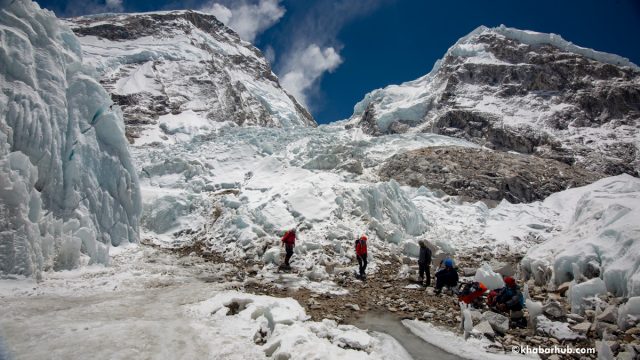
Trekkers, climbers making a round of the Khumbu Icefall as part of the expedition. Before climbing the Mt. Everest, each climber needs to make at least two rounds of the Khumbu Icefall.
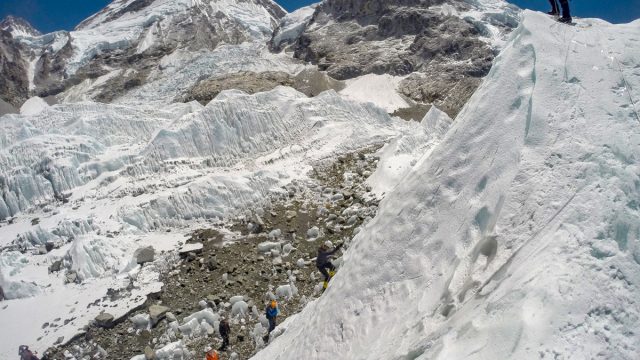
Climbers undergo training at the base camp before making their final climb. Climbers learn to use gear and equipment in the training.
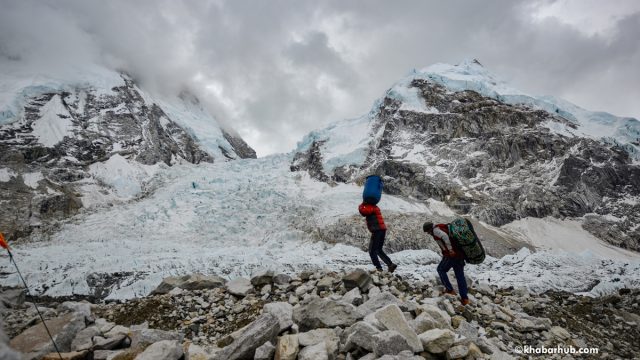
Porters carry the stuff back to the helipad.
KATHMANDU: A trekking guide died while the other went missing after being buried by an avalanche that occurred at Kyangdi of Nisyang Rural Municipality-1, Manang district.
According to Inspector Shrawan Kumar BK of District Police Office, Manang, the deceased is identified as Ajaya Dhakal of Dhading while Netherlander Vincent Bloom is still missing in the snowslide.
Dhakal and Bloom were returning home after completing an arduous Annapurna trek when the accident took place.
Dhakal’s body was recovered on Friday evening and will be handed over to his family after postmortem while the search for Bloom is underway, said BK.
Sundarijal-Chisapani-Nagarkot-Kathmandu
If you have a short time and want to go for a trek, the Chisapani-Nagarkot Trekking is the best option for you. You can view the mountains, sloppy hills, plain lands, and other breath-taking views.
Sundarijal is considered the doorway of trekking routes to Nagarkot, Helambu, Gosainkunda and the Langtang National Park. Talking about the Shivapuri National Park, it will blessed with a temperate and subtropical climate which is also rich in wildlife and plants such as oak, pine and rhododendron as well as varieties of orchids, mushrooms, butterflies, bird species, rare animals like jungle cats, sloth bear, leopard, monkeys etc.

Photo: Nepal Tourism Board
Here is the synopsis of trekking
Day 01: Kathmandu – Sundarijal – Chisapani (Walking distance 4-5 hrs)
The trek starts from the Sundarijal. There is an adequate transportation facility from Kathmandu to reach Sundarijal, situated at the altitude of 135 meters. On the top of the Shivapuri ridge at an altitude of 1895 meters, you will find the Tamang settlement. From there, one can have a spectacular panoramic view of the Kathmandu Valley. After passing through an army camp, beyond Mulkharka the trekking enters the Shivapuri National Park. The hiking of the day ends at Chisapani (2300m).
Day 02: Chisapani – Nagarkot (walking distance 5-7hrs):
After a light breakfast at Chisapani, one can follow the flat trails for about 3 hours and can descend down to reach to Chowki Bhanjyang. From the Chowki Bhanjyang, the route to Nagarkot has several ups and downs. After a trek of around 2 hours, once can reach Nagarkot — situated at an altitude of 2175 m. Nagarkot provides the grand stand panoramic views of the Himalayas. From there, one can see peaks like Lhotse (8516 m.), Cho Oyu (8201 m.), Makalu (8463 m.) Manaslu (8163 m.), among others.
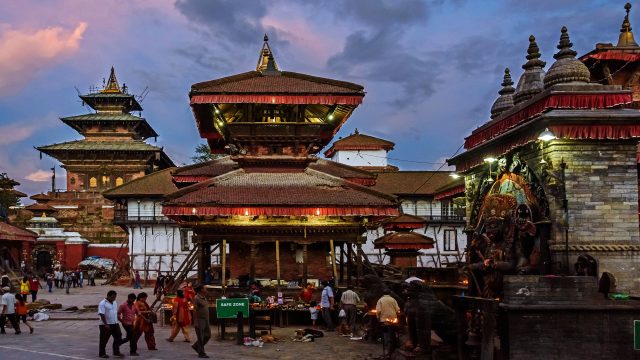
Photo: Nepal Tourism Board
Day 03: Nagarkot – Changunarayan – Kathmandu (Walking distance 2-3 hrs):
If you want to visit one of the famous temples located in Bhaktapur, Changunarayan Temple — listed in the world heritage site — is another option. It is believed that this temple was constructed in the 15th century. After visiting this temple, one can come down to Bhaktapur to have a stroll of the Bhaktapur Durbar Square too, which is full of arts and culture. There are many monuments of historical significance such as the Five Story Temple known as Nyatapola, 55 Window-Palace, Golden Gate, Lion Gate, and several other places to see. From Bhaktapur, one can come back to Kathmandu.